
Food and Water Preparedness: Your Family's Lifeline
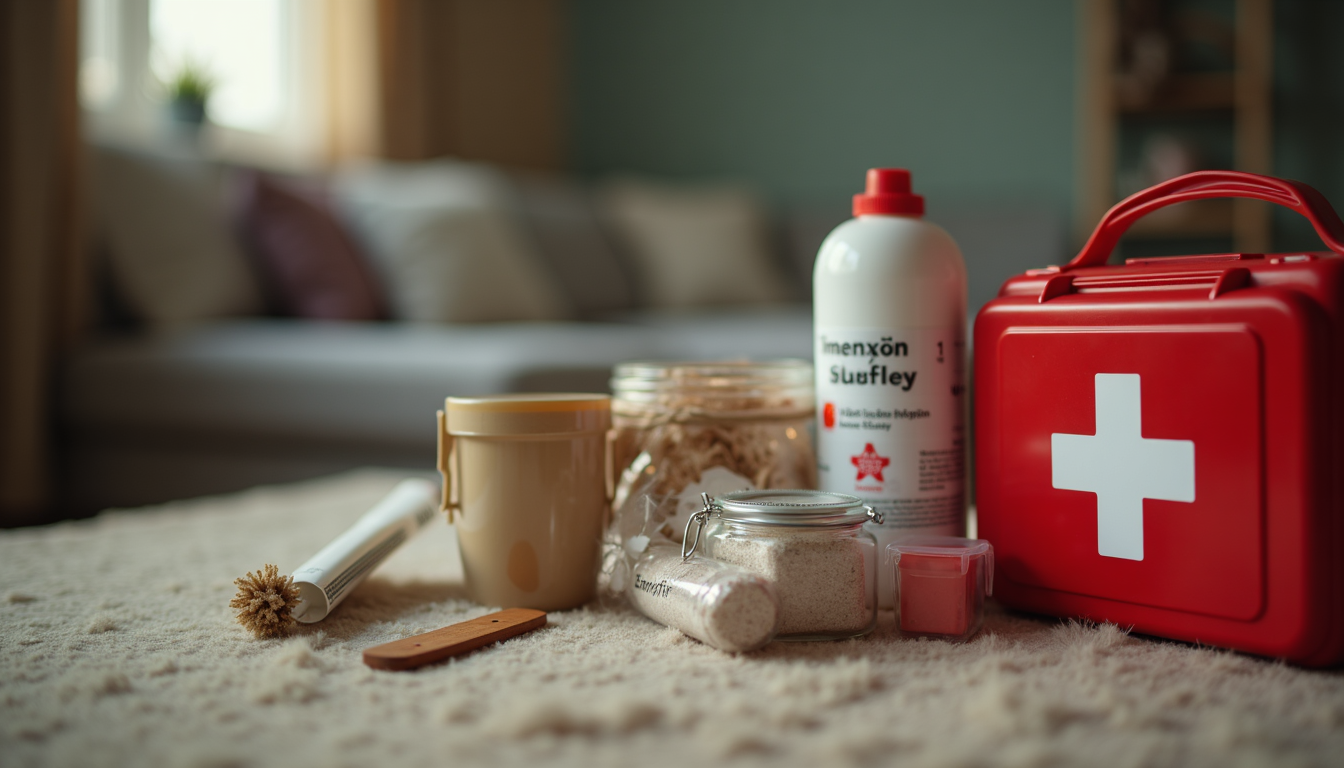
In an unpredictable world, food and water preparedness is not just a luxury; it's a necessity. Natural disasters, economic downturns, and unforeseen emergencies can disrupt our daily lives, making it crucial to have a plan in place. This blog post will guide you through the essentials of food and water preparedness, ensuring your family remains safe and nourished during challenging times.

Understanding the Importance of Preparedness
Preparedness is about more than just having supplies on hand; it’s about peace of mind. Knowing that you can provide for your family in times of crisis can alleviate stress and anxiety. Here are some key reasons why food and water preparedness is essential:
Natural Disasters: Hurricanes, earthquakes, floods, and wildfires can strike without warning. Having a stockpile of food and water ensures your family can survive during these events.
Economic Instability: Economic downturns can lead to food shortages and increased prices. Being prepared can help you avoid panic buying and ensure you have what you need.
Health Emergencies: Pandemics and health crises can disrupt supply chains. Preparedness allows you to maintain your family's health and nutrition without relying on grocery stores.
Assessing Your Family's Needs
Before you start stockpiling supplies, it's important to assess your family's specific needs. Consider the following factors:
Family Size: The number of people in your household will determine how much food and water you need.
Dietary Restrictions: If anyone in your family has allergies or dietary restrictions, make sure to stock items that meet those needs.
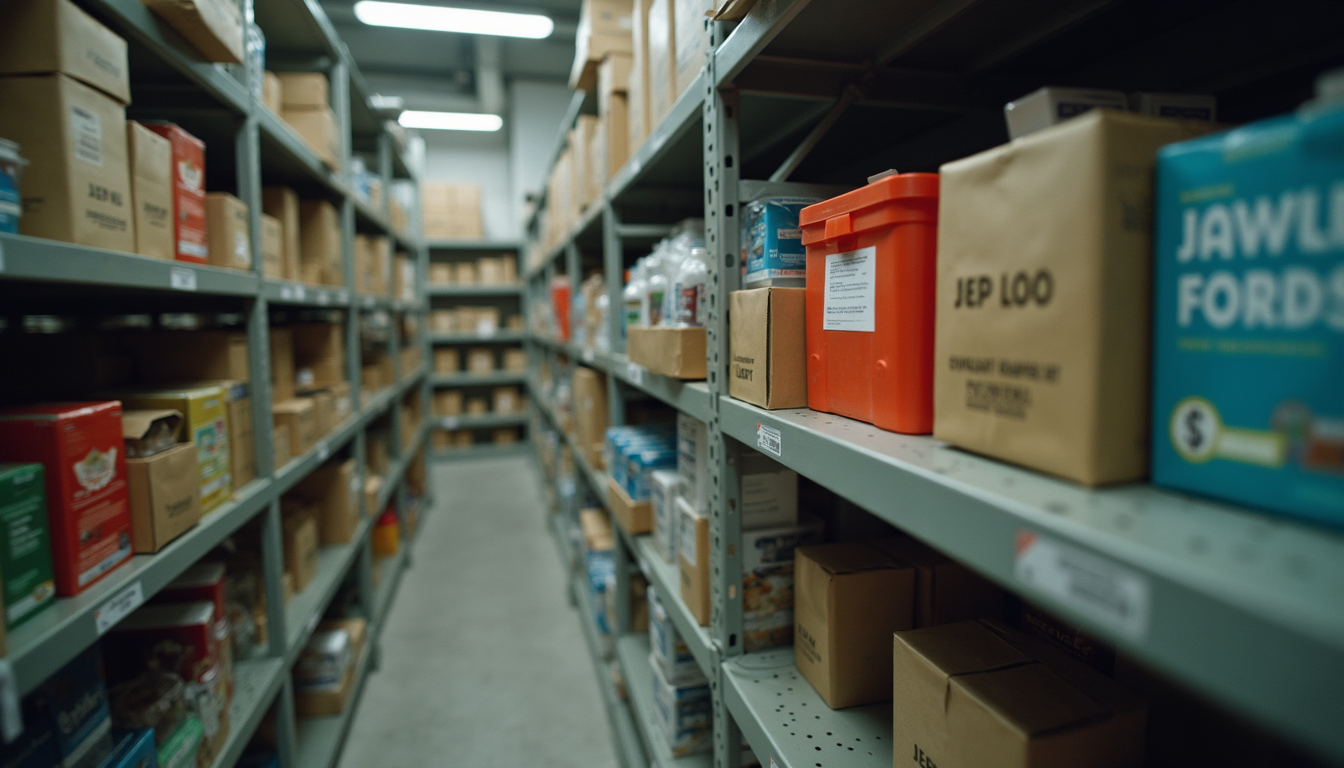
Storage Space: Evaluate how much space you have for storing food and water. This will influence the types and quantities of supplies you can keep.
Building Your Food Supply
When it comes to food preparedness, variety and nutrition are key. Here’s how to build a well-rounded food supply:
Choose Non-Perishable Foods
Focus on items that have a long shelf life and require minimal preparation. Some great options include:
Canned Goods: Vegetables, fruits, beans, and meats are excellent choices. Look for low-sodium options when possible.
Grains: Rice, pasta, and oats are versatile staples that can be used in various meals.
Dried Foods: Dehydrated fruits, vegetables, and jerky provide essential nutrients and protein.
Nut Butters: Peanut butter and almond butter are great sources of protein and healthy fats.
Plan for Cooking and Preparation
Consider how you will prepare meals during an emergency. If the power goes out, you may need alternative cooking methods. Here are some ideas:
Portable Camp Stove: A small camp stove can be a lifesaver for cooking meals without electricity.
Canned Heat: These are small, portable heating sources that can warm food without a stove.
Manual Tools: Invest in manual can openers and utensils to ensure you can prepare meals without electricity.
Rotate Your Stock
To ensure your food supply remains fresh, practice the FIFO (First In, First Out) method. This means using older items first and replacing them with new ones. Regularly check expiration dates and replace items as needed.
Water Preparedness
Water is just as critical as food. The general guideline is to store at least one gallon of water per person per day for at least three days. Here’s how to ensure you have enough water:
Store Water Properly
Containers: Use food-grade water storage containers. Avoid using containers that previously held chemicals or non-food items.
Location: Store water in a cool, dark place to prevent algae growth and contamination.
Purification: Consider water purification tablets or filters to ensure your water supply remains safe to drink.
Plan for Water Needs
In addition to drinking water, consider how much water you’ll need for cooking, hygiene, and cleaning. It’s wise to have extra water on hand for these purposes.
Creating a Family Emergency Plan
Having supplies is only part of the equation. You need a comprehensive emergency plan that includes:
Communication Plan
Establish a communication plan with your family. Make sure everyone knows how to reach each other in case of separation. Designate a meeting place and ensure everyone is aware of it.
Emergency Contacts
Compile a list of emergency contacts, including family members, friends, and local emergency services. Keep this list in a visible location and ensure everyone in the family knows where to find it.
Practice Drills
Regularly practice your emergency plan with your family. Conduct drills for various scenarios, such as natural disasters or power outages. This will help everyone feel more prepared and confident in their ability to respond.
Additional Preparedness Tips
Stay Informed
Keep yourself updated on local news and weather reports. This will help you anticipate potential emergencies and respond accordingly.
Join a Community Group
Consider joining a local preparedness group. These organizations often provide resources, training, and support for families looking to improve their emergency readiness.
Educate Your Family
Teach your family about the importance of preparedness. Involve children in the planning process and make it a fun learning experience. This will help instill a sense of responsibility and awareness.
Conclusion
Food and water preparedness is an essential aspect of family safety and well-being. By taking the time to assess your needs, build a robust supply, and create an emergency plan, you can ensure your family is ready for whatever challenges may arise. Remember, preparedness is not just about having supplies; it's about peace of mind and the ability to face emergencies with confidence. Start today, and take the first steps toward securing your family's lifeline.
Comments