
Essential Survival Preparedness: Stock Your Barrel Today
In an unpredictable world, being prepared for emergencies is not just wise; it's essential. Whether facing natural disasters, economic downturns, or unexpected personal crises, having a well-stocked supply of essentials can make all the difference. This guide will help you understand the importance of survival preparedness and provide practical steps to stock your barrel today.

Understanding Survival Preparedness
Survival preparedness involves planning and gathering resources to ensure you can sustain yourself and your loved ones during emergencies. This can include anything from food and water to medical supplies and tools. The goal is to create a self-sufficient environment where you can weather any storm.
Why is Survival Preparedness Important?
Natural Disasters: Hurricanes, earthquakes, floods, and wildfires can strike with little warning. Being prepared can save lives.
Economic Instability: Job loss or economic downturns can lead to food shortages and increased prices. Having a stockpile can alleviate stress during tough times.
Health Crises: Pandemics or health emergencies can disrupt supply chains. A well-stocked supply can keep you safe and healthy.
Assessing Your Needs
Before you start stocking your barrel, assess your specific needs. Consider the following factors:
Family Size and Composition
Adults vs. Children: Adults may require more food and water than children.
Special Needs: Consider any dietary restrictions or medical needs.
Duration of Preparedness
Short-term: A few days to a week.
Long-term: Several weeks to months.
Available Space
Storage Options: Assess how much space you have for storing supplies. This could be a pantry, garage, or basement.
Essential Supplies to Stock
Once you have assessed your needs, it's time to gather supplies. Here’s a comprehensive list of essentials to consider:
Food Supplies
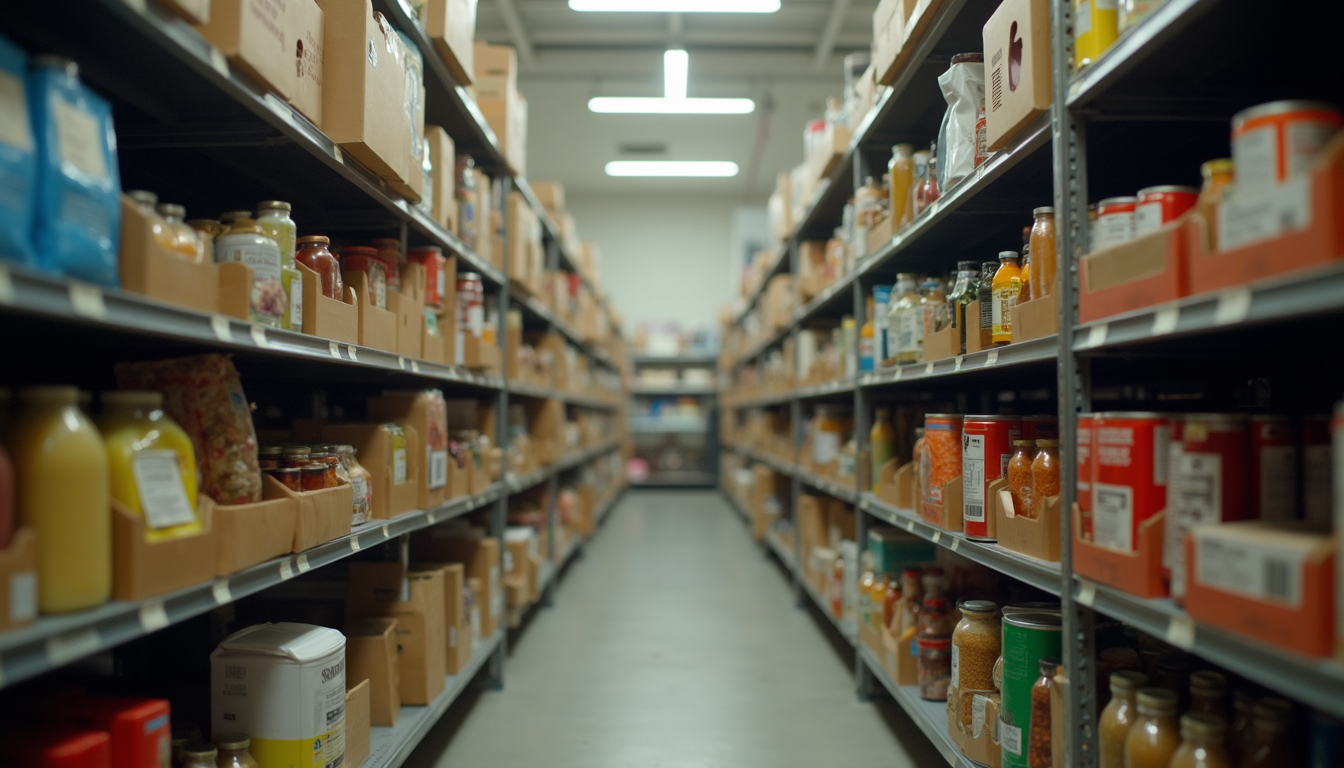
Non-perishable Foods: Canned goods, dried beans, rice, pasta, and freeze-dried meals.
High-Calorie Snacks: Energy bars, nuts, and dried fruits.
Special Dietary Items: Gluten-free or vegan options if needed.
Water
Water Storage: Aim for at least one gallon of water per person per day for at least three days.
Water Purification: Consider water purification tablets or filters for longer-term needs.
Medical Supplies
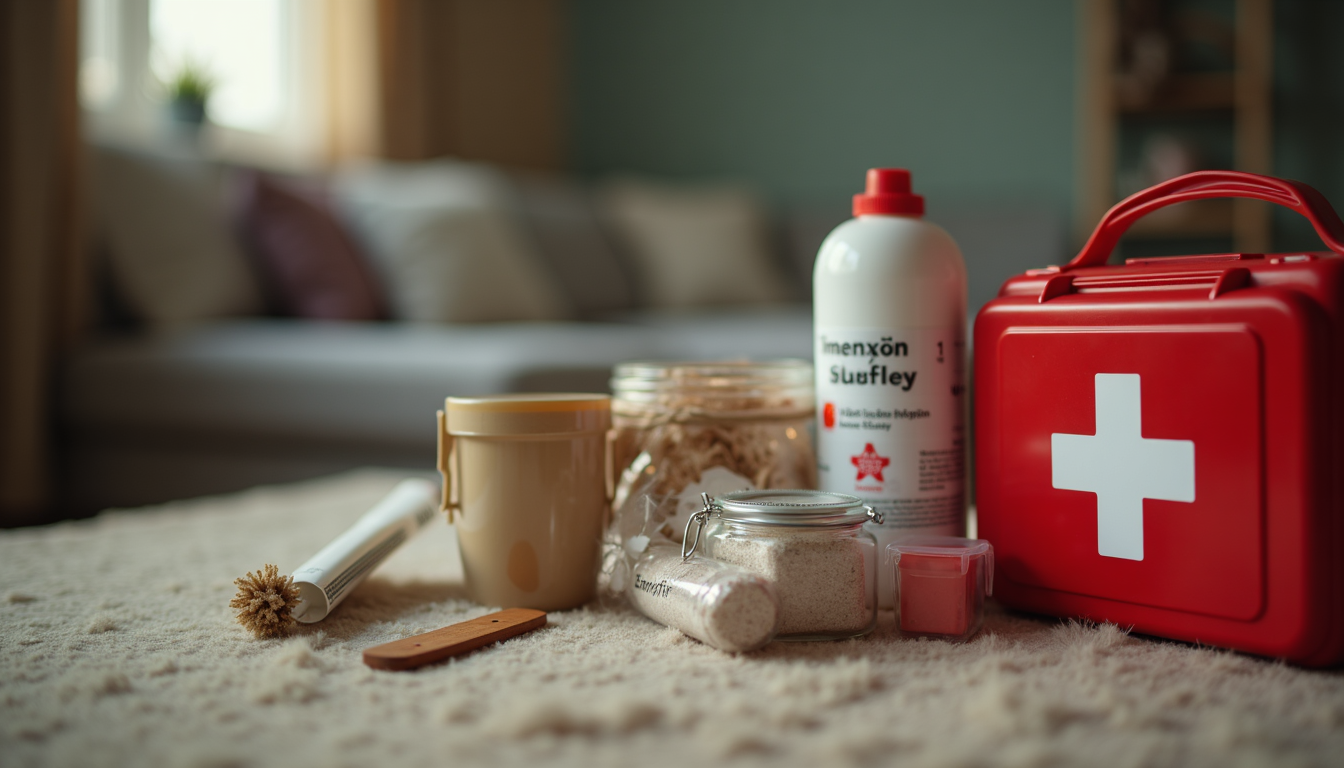
First Aid Kit: Include bandages, antiseptics, pain relievers, and any prescription medications.
Personal Hygiene Items: Soap, toothpaste, and feminine hygiene products.
Tools and Equipment
Multi-tool: A versatile tool can be invaluable in emergencies.
Flashlights and Batteries: Ensure you have reliable light sources.
Cooking Supplies: A portable stove or camping gear can be useful.
Communication and Information
Battery-Powered Radio: Stay informed about emergency updates.
Emergency Contacts: Keep a list of important phone numbers.
Organizing Your Supplies
Once you have gathered your supplies, organization is key. Here are some tips:
Create a Dedicated Space
Designate an Area: Choose a specific location for your emergency supplies.
Use Clear Containers: Label containers for easy identification.
Regular Inventory Checks
Check Expiration Dates: Regularly review your supplies and replace expired items.
Rotate Stock: Use older items first to ensure nothing goes to waste.
Building a Community Network
Survival preparedness is not just about individual readiness; it’s also about community. Building a network can enhance your preparedness efforts.
Connect with Neighbors
Share Resources: Consider pooling resources with neighbors for larger stockpiles.
Create a Plan: Develop a community emergency plan that outlines roles and responsibilities.
Join Local Groups
Survival Workshops: Participate in local workshops to learn new skills.
Online Forums: Engage with online communities for tips and support.
Staying Informed
Knowledge is power when it comes to survival preparedness. Here are some ways to stay informed:
Read Books and Articles
Survival Guides: Invest in reputable survival books that cover various scenarios.
Online Resources: Follow blogs and websites dedicated to preparedness.
Attend Workshops
Skill-Building: Look for local workshops on first aid, food preservation, and self-defense.
Practicing Your Preparedness
Having supplies is only part of the equation. Regular practice is essential to ensure you and your family know what to do in an emergency.
Conduct Drills
Emergency Drills: Practice evacuation routes and emergency procedures.
First Aid Training: Ensure everyone knows basic first aid techniques.
Review and Adjust
Evaluate Your Plan: After each drill, discuss what worked and what didn’t.
Make Adjustments: Update your supplies and plans based on feedback.
Conclusion
Survival preparedness is a proactive approach to ensuring safety and security in uncertain times. By assessing your needs, stocking essential supplies, and staying informed, you can create a robust preparedness plan. Remember, the goal is not just to survive but to thrive in any situation. Start stocking your barrel today and empower yourself and your loved ones to face whatever challenges may come your way.
Take the first step now—review your supplies and make a plan. The peace of mind that comes from being prepared is invaluable.
Comments